
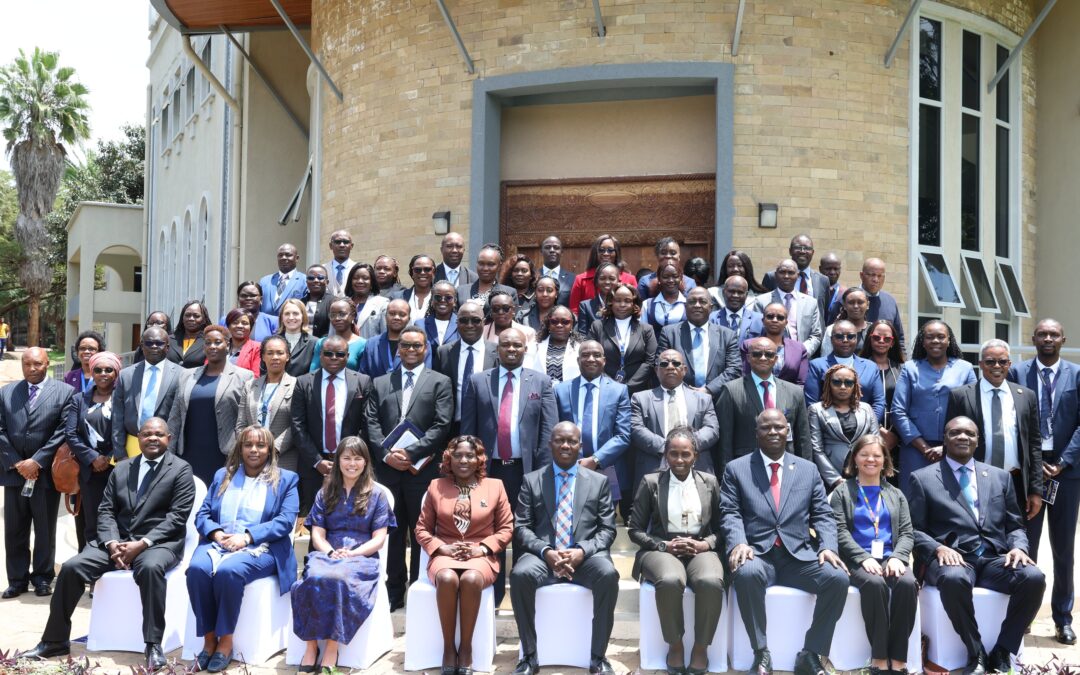
Kenya has taken a bold step forward in the fight against corruption and misuse of public resources. The Office of the Director of Public Prosecutions (ODPP)has launched the Guidelines on the Prosecution of Corruption and Economic Crimes, 2025, a practical framework that will help ensure corruption cases are prosecuted fairly, firmly, and consistently.
Commissioner Dr. Wamalwa Dennis joined fellow board members and justice sector leaders at the launch, underscoring the importance of collective action in addressing one of Kenya’s biggest challenges.
Speaking during the event, DPP Renson Ingonga reminded Kenyans that corruption is not just about stolen money it is about lives disrupted, services denied, and trust in public institutions eroded.

“These guidelines are not just technical documents; they are a framework to guide decision-making in the prosecution of corruption cases across the country,” said Mr. Ingonga.
So, what makes these guidelines important?
- They create clear and uniform standards for prosecutors when deciding whether to charge corruption cases.
- They tackle the growing complexity of economic crimes, including cases that involve technology and digital concealment.
- They address corruption at both national and county levels, where misuse of resources directly impacts service delivery.

Commissioner Dr. Wamalwa Dennis welcomed the launch as a step in the right direction, noting that ending corruption is also about protecting human rights, promoting equality, and ensuring that resources reach the people they are meant to serve.
This move by the ODPP is more than a legal milestone it is a renewed call to action for all Kenyans. Tackling corruption requires integrity, vigilance, and accountability across every sector. With these guidelines in place, there is hope for stronger prosecutions, fairer outcomes, and a justice system that puts the people first.
