Turning rights into reality
Advocacy only matters when it changes lives. Here is how the Commissioner's commitments become policy, protection, and lasting reform — and how you can be part of it.
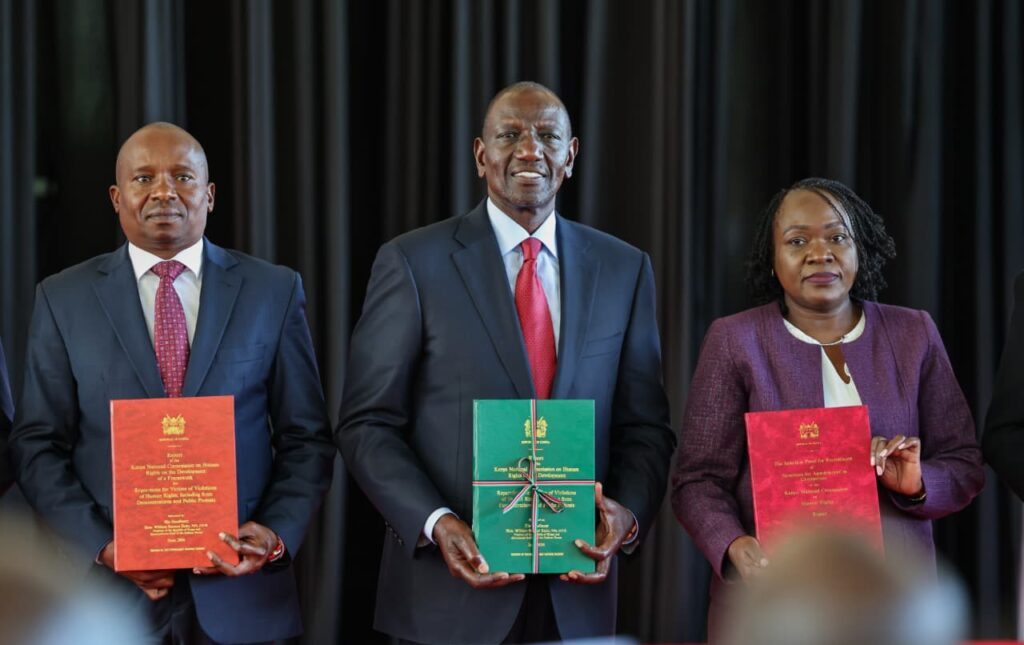
Kenya National Commission on Human Rights
The KNCHR became operational in July 2003 and, following the promulgation of the Constitution of Kenya in August 2010, was reconstituted under Article 59 as the body responsible for promoting and protecting human rights and equality.
Since then, the Commission has stood at the forefront of raising awareness and providing support and resources to protect the rights of every person — working until every individual lives freely, irrespective of their status.
Support that meets real needs
Vulnerable individuals face unique challenges. The Commissioner provides the support and resources they need to live healthy, fulfilling lives — through a range of practical services.
Counselling & support groups
Professional, trauma-informed counselling and peer support for individuals and communities in distress.
Legal aid & representation
Access to justice through legal aid and representation for those whose rights have been violated.
Education & training
Capacity building, sensitisation, and training for communities, institutions, and duty-bearers.
Advocacy & policy work
Driving legislative and policy reform so that protection is written into law, not left to chance.
Initiatives & sensitisation
Backing grassroots initiatives and public-awareness campaigns that shift attitudes and end stigma.
Psychosocial well-being
Mental-health and psychosocial support drawing on 20+ years of clinical and field experience.
Five commitments, in depth
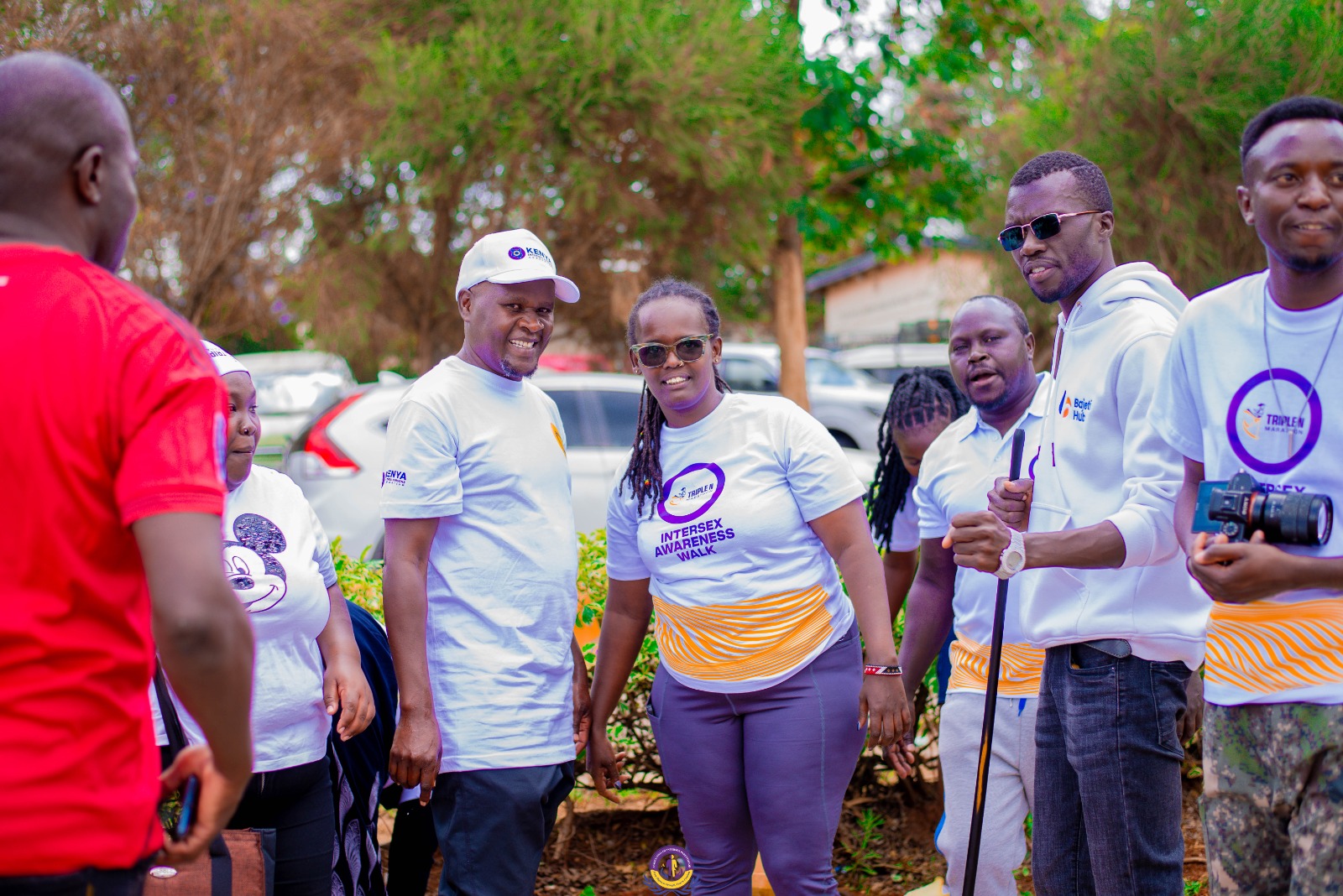
Intersex Rights
Intersex rights are human rights. The Commissioner is dedicated to protecting and promoting the rights of intersex individuals in Kenya — from ending harmful medical practices to addressing discrimination and violence — building a more inclusive society where every intersex person lives with dignity and respect.
- Ending harmful medical practices
- Legal recognition & protection
- Visibility, inclusion & family support

Children
Every child has the right to a safe, healthy, and fulfilling childhood. The Commissioner is committed to promoting the well-being, education, and protection of children everywhere — ensuring the youngest members of society are seen, heard, and safeguarded.
- Protection from harm & exploitation
- Access to education
- Health & psychosocial well-being
Persons with Albinism
Through education, outreach, and community engagement, the Commissioner works to celebrate the diversity and beauty of persons with albinism — while confronting the challenges and prejudices they face — so that every person with albinism can live fully, with dignity, respect, and equality.
- Safety & protection from discrimination
- Health & access to services
- Awareness & inclusion
Older Adults
Through advocacy, education, and community support, the Commissioner addresses the challenges older adults face — ageism, social isolation, and inadequate access to healthcare. Every person deserves to age with grace and respect, in a society that values their health and well-being.
- Confronting ageism & isolation
- Access to healthcare & services
- Dignity in ageing
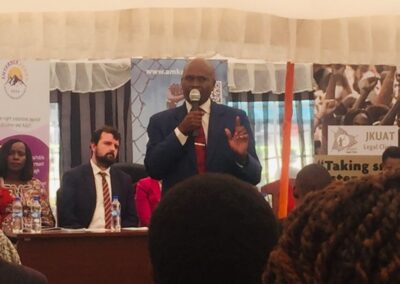
Persons with Disabilities
The Commissioner's mission is to advocate for the rights and inclusion of persons with disabilities in all aspects of society. Everyone deserves equal access to education, employment, healthcare, and essential services — and the full participation and empowerment of persons with diverse abilities.
- Equal access to education & employment
- Accessible healthcare & services
- Full participation & empowerment
Ways to get involved
Together we can create a world where every person lives with dignity and respect. There are many ways to help.
Donate to support the work
Fund initiatives that protect and empower vulnerable communities across Kenya.
Volunteer your time & skills
Help train communities and create awareness where it is needed most.
Advocate in your space
Champion the rights of vulnerable people in your workplace, school, or community.