A Defining Moment for Justice: Why Kenya's Reparations Framework Matters
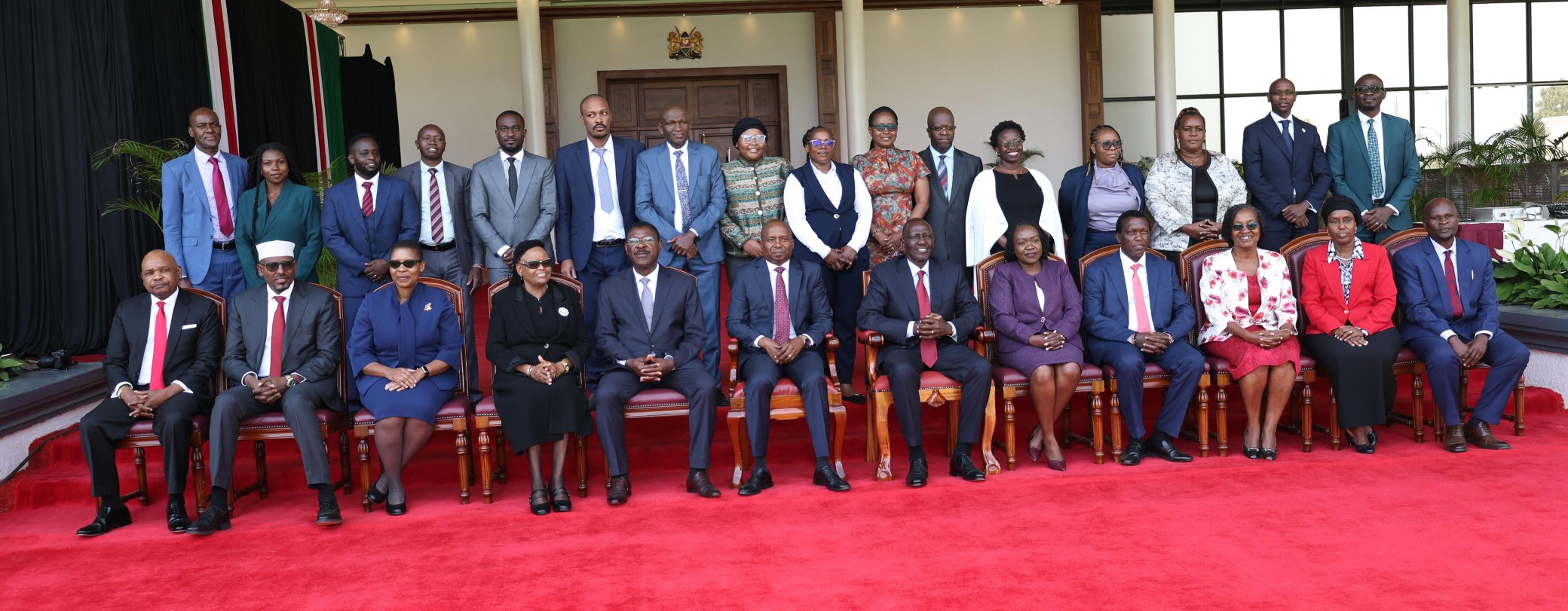
The pursuit of justice does not end with the acknowledgment of human rights violations. True justice demands accountability, restoration of dignity, and meaningful remedies for those who have suffered harm. It is against this backdrop that the Kenya National Commission on Human Rights (KNCHR) has developed a comprehensive Framework for Reparations for Victims of Human Rights Violations, including those arising from demonstrations and public protests.
This Framework represents a significant milestone in Kenya's human rights journey. For decades, victims of unlawful killings, torture, enforced disappearances, sexual violence, arbitrary arrests, destruction of property, and other violations have sought justice — often without adequate remedies. While numerous commissions of inquiry and investigative reports have documented these violations, many victims have continued to bear the burden of pain, loss, and trauma without meaningful redress.
A victim-centred approach
At the heart of the Framework is a victim-centred approach. Reparations are not acts of charity or goodwill — they are legal obligations arising from the Constitution of Kenya and international human rights standards. Every victim has a right to an effective remedy when their rights have been violated.
The Framework recognises that the harm suffered by victims extends beyond financial loss. Many have experienced physical injuries, psychological trauma, loss of livelihoods, displacement, social exclusion, and the loss of loved ones. Addressing such harm requires a comprehensive response that restores dignity and promotes healing. These measures reflect internationally recognised principles on the right to remedy and reparation.
Behind every statistic is a human story — a family seeking answers, a survivor struggling to rebuild their life, or a community seeking recognition of past injustices.
Listening to survivors
One of the most significant aspects of this process has been the direct engagement with victims and survivors across the country. Through consultations, public participation, documentation exercises, and verification processes, the Commission ensured that the lived experiences of victims informed the development of the Framework.
As of April 2026, the Commission had verified 1,101 victims across various categories of violations — including violations of the right to life, torture, sexual violence, enforced disappearances, injuries resulting from excessive use of force, and destruction of property. These figures, however, represent only documented and verified cases. The actual number of victims is likely much higher, underscoring the urgent need for a structured national reparations programme.
From documentation to action
Kenya has made important strides in documenting historical injustices. Reports such as those produced by the Truth, Justice and Reconciliation Commission (TJRC) have provided valuable insights into patterns of violations and recommendations for redress. Yet implementation has often lagged behind.
Importantly, reparations should not be viewed as a substitute for accountability. Investigations, prosecutions, institutional reforms, and the protection of constitutional rights must continue alongside reparative measures.
The implementation of reparations is not merely about addressing past wrongs — it is about shaping a future founded on justice, human dignity, and respect for human rights. A society that recognises and remedies violations sends a clear message: that human rights matter, that victims matter, and that the rule of law remains the cornerstone of democratic governance.